You may never have heard of PFAS, but they're a class of toxic chemicals that are everywhere.
Read our recent factsheet on PFAS in cookware.
These man-made chemicals have traveled through the environment into the far reaches of the world, and they don’t break down and go away, which is why they're called “forever” chemicals.
PFAS represent a crisis in California. Virtually all of us have PFAS in our bodies, and while we don't make the chemicals in this state, testing to date has already detected 9 PFAS in the drinking water supplies of 25 million Californians. This can be attributed to the manufacture, use, and disposal of a wide array of industrial and consumer products containing PFAS.
Because of the threat posed by PFAS, Clean Water Action launched an ongoing campaign in 2018 to achieve two things:
- Stop the use of PFAS at the source to avoid further environmental contamination and human exposure, and
- Address the chemicals that are already in our water, air, and soil.
As you’ll see below, we’ve made tremendous progress, but there's still a lot of work to be done. That’s why its important for all of us to understand PFAS, the threat they pose, and the best ways to stop polluting our water and ourselves in the future.
What Are PFAS?
The acronym PFAS stands for perfluoroalkyl and polyfluoroalkyl substances, a class of around 14,000 human-made chemicals that are made by combining fluorine and carbon in one of the strongest chemical bonds on Earth. This makes them very useful in a wide variety of products. Many places in California can be impacted by manufacturing-related PFAS contamination because PFAS are or have been used in electroplating, firefighting foams, and other industrial processes. PFAS are also found in consumer products because of their "non-stick", water-, stain-, and grease-resistant qualities.
While we do not know the true extent of PFAS use in consumer products, common applications include food packaging, textiles, cosmetics, dental floss, cookware, outdoor gear, medications and medical devices, paint and building materials, car and floor waxes, and other cleaning products.
Unfortunately PFAS persist in the environment and have been linked to serious health impacts. The use of older forms of PFAS, called PFOA and PFOS have largely been phased out in the U.S. due to an increased awareness of their harmful effects. Yet the newer versions of PFAS chemicals that are replacing them are equally as persistent in the environment, are more difficult to remove from water, and are also toxic.
Why Are They Harmful?
PFAS are bio-accumulative, meaning that they gradually build up in humans, as well as the environment over time. In fact, they can be found in 97% of human blood samples.
PFAS have been linked to several serious health issues, including:

• kidney and testicular cancer
• liver malfunction
• thyroid diseases
• delayed puberty
• early menopause in women
• reduced immune system responses in children
• birth defects in newborns
• elevated cholesterol for both producers and consumers of goods containing PFAS
According to the US Agency for Toxic Substances and Disease Registry, primary exposure routes are from drinking contaminated drinking water or eating fish caught in PFAS polluted water, eating food contaminated from packaging or the environment, ingesting dust, and using certain consumer products.
Environmental Concerns
PFAS chemicals not only bioaccumulate in our bodies, they also impact soil, water, and even wildlife across the planet. While there are numerous ways PFAS get into the environment, industrial spills and the use (and ultimate disposal) of PFAS-containing products are major causes. Consequently, removing PFAS from these products not only protects consumers, but prevents environmental harm as well.
California In The Lead

Given the number of PFAS in commercial use, the current scope of the problem in the state, and the variety of contamination sources, California needs a comprehensive strategy that 1) reduces the use of PFAS chemicals in products and industrial processes and 2) develops the technology to address the chemicals already in our environment. Fortunately, as an innovator state, we are in a unique position to take this on. That is why Clean Water Action has launched a PFAS campaign aimed at educating decision makers and the public about the impacts of these chemicals and calling for action on products, water monitoring and treatment, and the leaching of PFAS into our air, soil, or water.
What We Have Accomplished So Far:
Since the launch of our campaign, Clean Water Action has co-sponsored or actively advocated for several successful state initiatives to eliminate significant uses of PFAS in products. These include:
SB 1044 (2020) Banned the use of PFAS containing firefighting foams for non-federally required uses by 2022. Firefighting foam is a major source of PFAS in water. See our page on this topic for more details.
AB 1200 (2021) Banned PFAS in fiber or paper-based food packaging by January 1, 2023.
AB 652 (2021) Banned PFAS in specified products designed for use by infants and children under 12 years of age by July 2023.
State regulation on PFAS in carpets, rugs, and after-market fabric sprays (2021 and 2022) Requires all manufacturers selling such products in California to report the presence of PFAS to state regulators and then remove the PFAS, stop selling the products in this state, or provide the state with a plan to find a safer alternative to the chemicals. This action has been supported by the decision by major retailers to stop selling carpets or rugs containing PFAS.
AB 1817 (2022) Banned PFAS in clothing and household textiles by January 2025 (with a short extension for outdoor gear meant for extreme conditions).
What can you do?
The first thing you can do is to educate yourself about the issue. To learn about water pollution in the state, as well as the various products PFAS are commonly used in and what Clean Water Action is doing about them, please click on the sections below.
Next, check out our tips on reducing PFAS exposure for you and your family and read our blog post about how California can respond to the PFAS contamination crisis. Learn about our PFAS-related work in multiple areas, including food packaging and firefighting foam.
Finally, keep an eye out for action alerts on measures to reduce PFAS use and address water contamination. We need your voice to make things happen. Together we can protect public health and water from these forever chemicals.
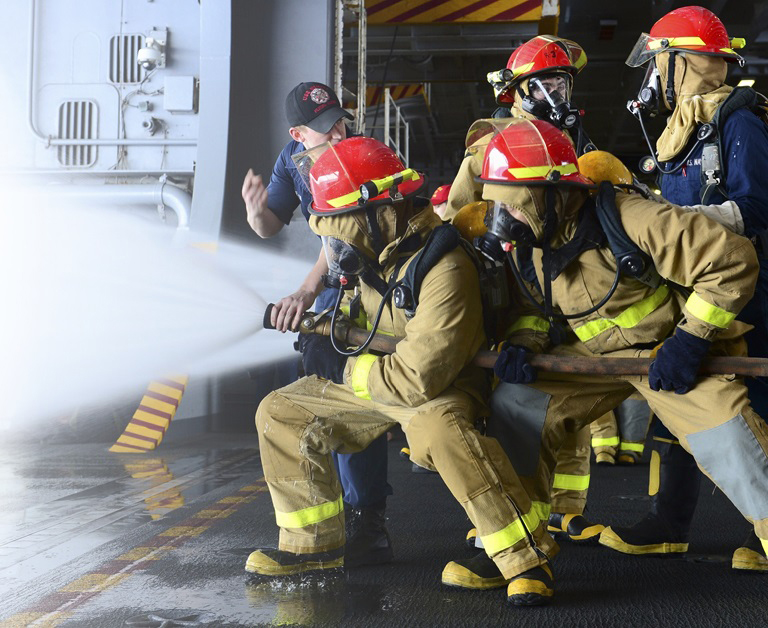
Watch our PFAS Film to learn more about the uses and effects of PFAS
Do a Deep Dive
On February 4, 2022 Clean Water Action co-hosted an innovative conference on PFAS in San Francisco Bay Fish with the San Francisco Estuary Institute and the California Indian Environmental Alliance. The conference brought together 250 people representing at risk fishing communities, regulators, scientists, waste water professionals, and other interested stakeholders to discuss what we know about PFAS in the Bay (some of the highest levels in wildlife in the world!) and the human and environmental justice implications, as well to explore next steps.
Click here to download a summary of the conference.
To see the slides of the various presentations click on the titles below.
- Session 1 talk Blum: Reducing Harm from PFAS For Health & Environment (Dr. Arlene Blum, Executive Director Green Science Policy Institute and U.C. Berkeley Dept. of Cell and Molecular Biology).
- Session 1 talk Brooks: PFAS In African American Disadvantaged Communities (Dominique Brooks , Founder & Executive Director Healing Impacted Communities)
- Session 1 talk Ware: Relationships = Solutions: Collaborative Research on Fish & Contaminants (William Ware, Graduate Student, U.C. Santa Cruz Dept. of Coastal Science and Policy)
- Session 1 talk Kauffman: PFASs Measured in Biomonitoring California's Asian/Pacific Islander Community Exposures (ACE) Project (Duyen Kauffman, Health Program Specialist II, Biomonitoring California, California Dept. of Public Health)
- Session 2 talk Linck: Characterizing PFAS in California’s Drinking Water and Groundwater (Wendy Linck, Senior Engineering Geologist, State Water Resources Control Board, Division of Water Quality)
- Session 2 talk Fono and Mendez: Looking for Sources of PFAS in Bay Area Wastewater (Dr. Lorien Fono, Executive Director, Bay Area Clean Water Agencies and Miguel Mendez, Associate Environmental Scientist, San Francisco Estuary Institute)
- Session 2 talk Mumley: Regional Water Board Perspective on PFAS Sources and Management Approaches (Thomas Mumley, Interim Executive Director, San Francisco Bay Regional Water Quality Control Board)
- Session 3 talk Davis: PFAS in San Francisco Bay Fish (Dr. Jay Davis, Program Director and Senior Scientist, San Francisco Estuary Institute)
- Session 3 talk Smith: OEHHA's Fish Advisory Program (Dr. Wesley Smith, Staff Toxicologist, Office of Environmental Health Hazard Assessment)
- Session 3 talk: PFAS and NJ Fish Consumption Advisories (Dr. Sandra Goodrow, Research Scientist, New Jersey Dept. of the Environment
Printable PFAS Resources: