In This Issue:
National News
- Defending Our Safeguards -Standing Up to Clean Water Threats in Congress
- Urging EPA not to Prolong Toxic Coal Plant Wastewater Pollution
- New Report: Making the Case for Sustained and Equitable Water Infrastructure Investment
- EPA “Polluted Water Rule” Comment Period
State and Regional News
- California
- Chesapeake (DC, Maryland, Virginia)
- Michigan
- Minnesota
- New England (Connecticut, Massachusetts, Rhode Island)
- New Jersey
- Pennsylvania
- Texas
Defending Our Safeguards - Standing Up to Clean Water Threats in Congress
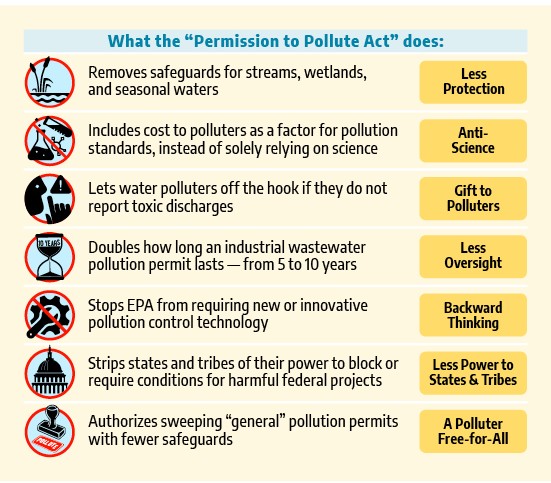
The “PERMIT Act” (H.R. 3898), introduced in the U.S. House of Representatives, is one of the most significant threats to the Clean Water Act in decades. This package of 21 bills would chip away at essential water pollution programs. It’s a polluter’s wish list that will make it easier to contaminate rivers, lakes, wetlands, and drinking water sources. That’s why Clean Water Action is calling it the “Permission to Pollute Act.”
The “Permission to Pollute Act” removes the Environmental Protection Agency’s (EPA’s) authority to block dangerous projects, limits the rights of states and tribes to protect their own waters, shields polluters from being held accountable, and opens the door to unchecked pollution. This bill undermines the Clean Water Act and puts polluter profits ahead of reducing water pollution and protecting health and the environment. Learn more by reading our fact sheet or by watching our brief and longer explainer videos.
Clean Water Action is mobilizing our members and allies to urge their U.S. Representatives to vote NO on H.R. 3898. Take Action Today!
Urging EPA not to Prolong Toxic Coal Plant Wastewater Pollution
For decades, coal-fired power plants have gotten a free pass to discharge millions of pounds of harmful pollutants into our rivers, lakes, and streams each year. These contaminants have been linked to developmental issues, reproductive issues, and cancer. Clean Water Action has long advocated for EPA to prevent coal-fired power plants from dumping their toxic wastewater into our waterways. Last year, Clean Water Action applauded when EPA finally required more stringent wastewater treatment standards for three of the largest wastewater streams coming out of coal plants.
But last month, EPA announced plans to delay the compliance deadlines for coal-fired power plants, unnecessarily prolonging the release of dangerous pollutants into our waterways and drinking water sources. This would mean increased health risks for nearby communities and could result in higher costs for downstream drinking water systems and their customers. Read more in our latest blog. As part of the October public comment period, Clean Water Action mobilized thousands of comments and urged EPA not to delay or weaken these critical safeguards.
New Report: Making the Case for Sustained and Equitable Water Infrastructure Investment
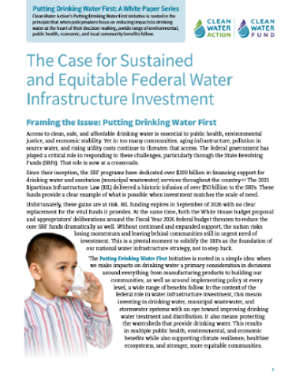
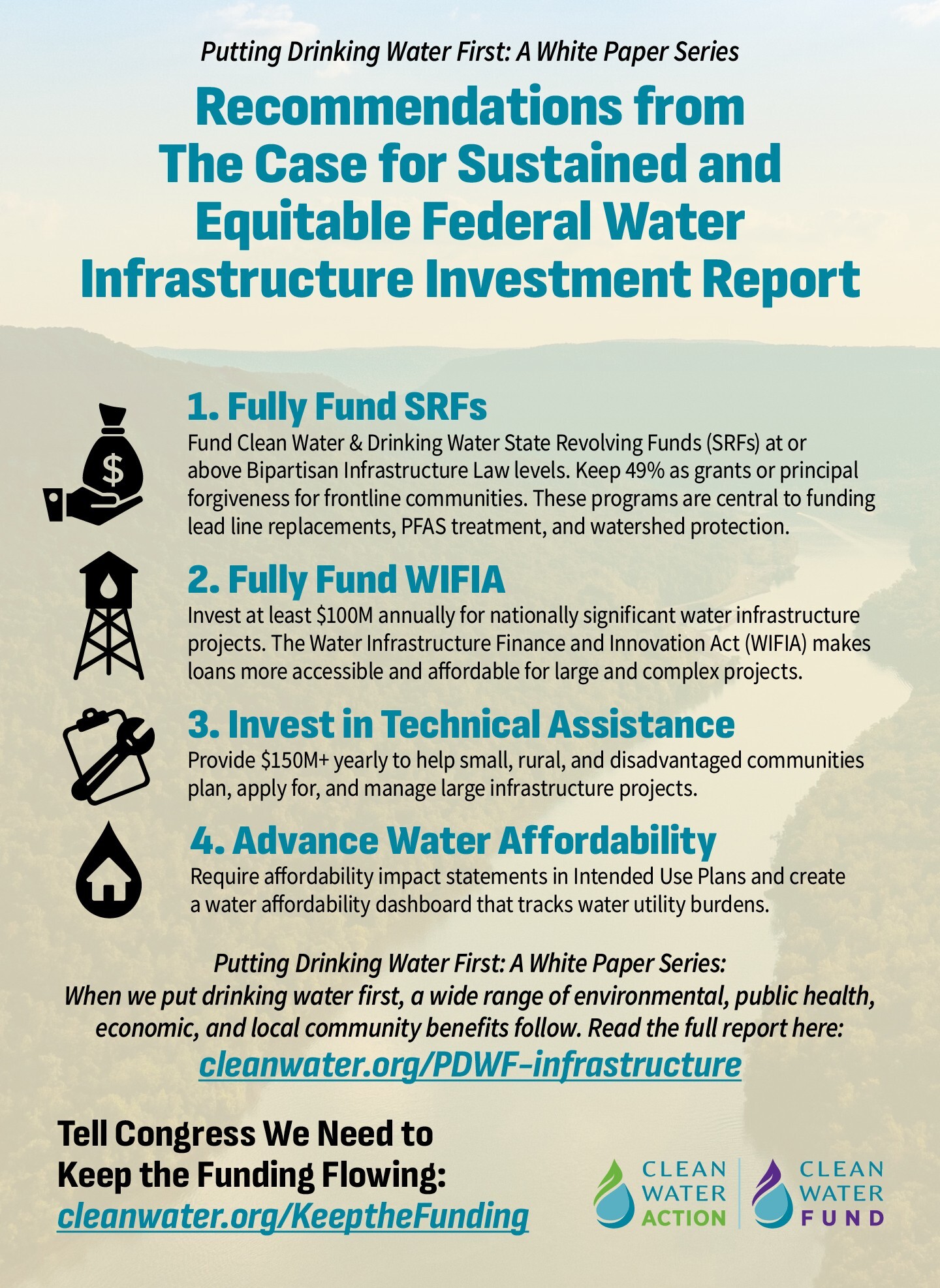
In August, Clean Water Action released a new report, The Case for Sustained and Equitable Federal Water Infrastructure Investment, as part of our Putting Drinking Water First series. The report discusses why continued, long-term federal investment in water infrastructure — especially through the State Revolving Funds (SRFs) — is critical to protecting public health and the environment, advancing environmental justice, and keeping water affordable.
With the historic water infrastructure funding in the 2021 Bipartisan Infrastructure Investment and Jobs Act (BIL) set to expire in 2026, it is critical to build public and policymaker support for an ongoing role for federal investment in our nation’s water infrastructure. Clean Water Action also created a series of materials, including an infographic, an easy way to take action, and an informative video.
EPA “Polluted Water Rule” Comment Period
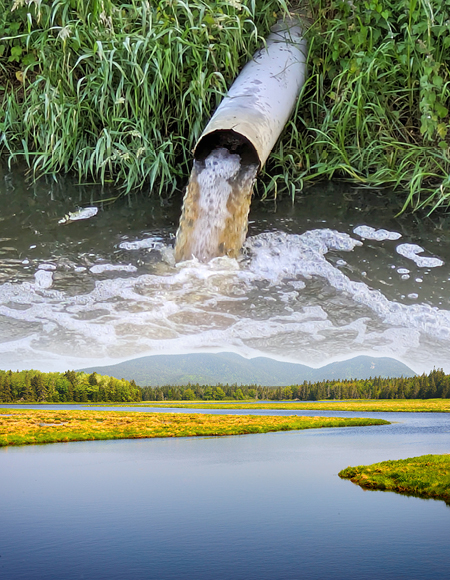
Once again, the question of which water bodies the Clean Water Act should protect is front and center. Despite the devastating 2023 Supreme Court decision in Sackett v. EPA, which removed protections for many streams and wetlands, the Trump administration is prioritizing further weakening the definition of “Waters of the United States” for the purposes of the Clean Water Act. Protecting all water bodies has been a Clean Water Action priority for decades. The water bodies at risk, including wetlands and streams, play a critical role in filtering out harmful pollutants, protecting drinking water sources, and preventing flooding. EPA and the Army Corps of Engineers are proposing a new definition, which we are calling the “Polluted Water Rule.” This rollback would further weaken Clean Water Act protections for wetlands, streams, and other critical waters. Clean Water Action is mobilizing across the country to oppose any efforts to weaken safeguards for these essential water resources. Send a message today to defend clean water!
State and Regional News
CALIFORNIA
Highlights
California’s Safe and Affordable Drinking Water Fund, which provides technical assistance, replacement water and consolidation services to small water systems around the state, has had its funding extended! In its first 5 years, the Fund has helped 900,000 Californians access safe drinking water! Now, that work can continue through 2045, with up to $2 billion in new funding included in the renewal of the Greenhouse Gas Reduction Fund.
This funding is intended to help communities take advantage of other funding sources — like federal grants — so the Fund’s ability to address state challenges depends on a robust federal funding agenda. In other news, Clean Water staff have worked with the state’s Drinking Water Program to contact small water systems around the state to offer free testing of their source water for PFAS contamination.
Kern County
In Kern County, Lost Hills community members are creating an emissions reduction plan intended to reduce the impacts of multiple polluting industries on the health of residents; it will be completed early next year. This is doubly important as the state legislature passed legislation in September that allows up to 2,000 new oil wells to be drilled each year in Kern County. Clean Water has also led efforts to engage local communities in efforts to improve the sustainability of Kern County’s groundwater. Communities want to ensure that their ability to deliver safe and affordable water to residents isn’t threatened by corporate agricultural interests.
ReThink Disposable
Our Rethink Disposable program has just finished a pilot project to bring reusables to the City of San Jose; look for the program’s report on that work by the end of the year! The program is also working in central Contra Costa County and the City of Fremont. Drop us a line if your favorite restaurant could use some help reducing its plastic footprint!
CHESAPEAKE REGION
Bottle Bills
Both Maryland and DC are pursuing bottle bills, which the Chesapeake team has been supporting. These bills would assess a small deposit on bottles, with that money returned to consumers. Programs like these are very effective at reducing litter, improving recycling rates, and reducing the cost of municipal waste collection and cleanup.
Septic-Friendly Gardens
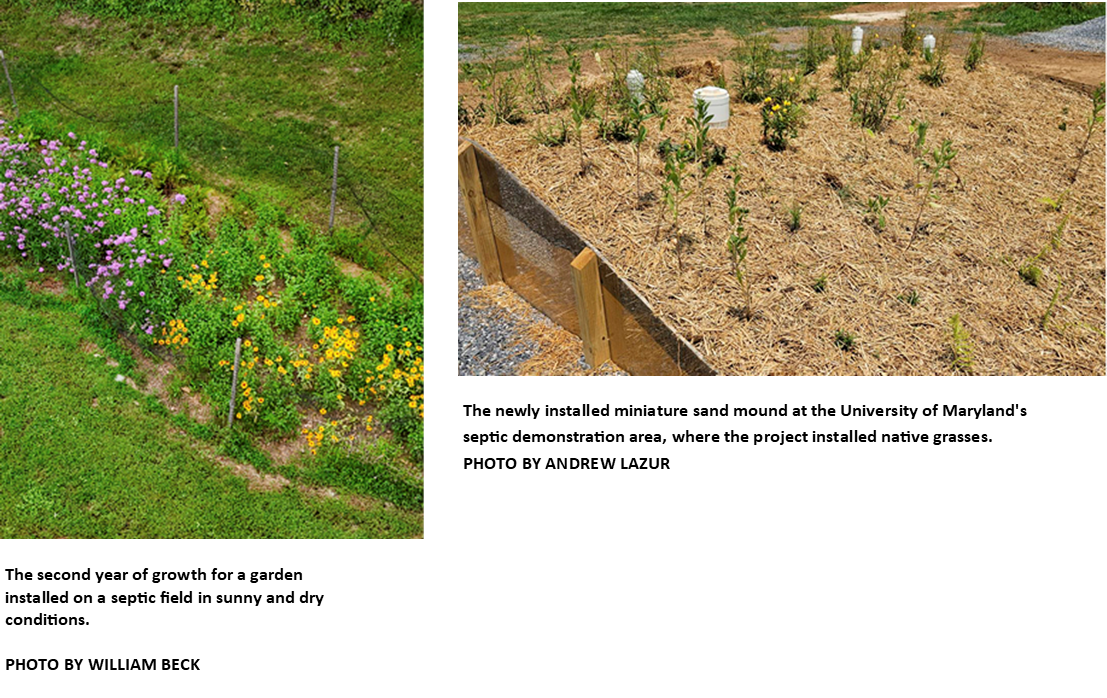
Clean Water Fund wrapped up its second year of installing septic friendly gardens, a pilot project supported by the Chesapeake Bay Trust and Howard County. The project resulted in four sample gardens with a wide variety of shade, moisture, and application conditions.
MICHIGAN
Defending Democracy
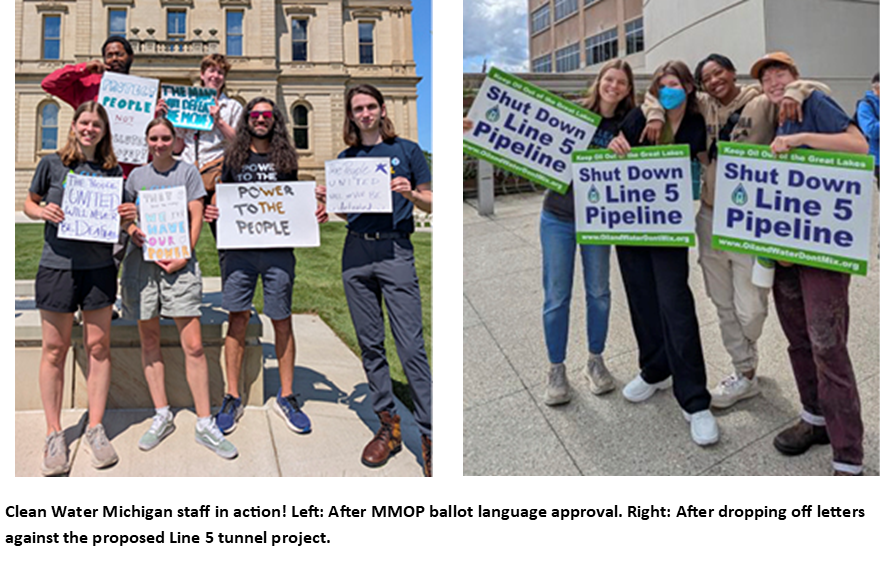
Clean Water Action is working to restore the voice of the people in our Michigan democracy. The Michiganders For Money Out Of Politics (MMOP) ballot initiative campaign would ban donations from regulated utilities and large government contractors to the lawmakers who responsible for regulating and overseeing them, as well as requiring political ad spending disclosure. The influnce of money in politics has hampered real progress on making polluters pay, transitioning to a clean energy future, holding utilities accountable, and more. Our democracy should not be for sale. We are currently getting signatures to get MMOP on the ballot for 2026. Learn more about the ballot initiative at MopUpMichigan.org, and volunteer to get MMOP on the ballot at cleanwater.org/MIvolunteer.
Line 5
Our fight to shut down Line 5 and the dangerous tunnel project also continues. At the end of August, alongside Oil And Water Don’t Mix Coalition partners, we delivered over 92,000 comments against Enbridge’s proposed Great Lakes pipeline tunnel to the Department of Environment, Great Lakes and Energy and Governor Gretchen Whitmer. If built in the Straits of Mackinac, the tunnel would destroy wetlands, create a risk for explosion, pollute waterways and harm the natural environment, and impact local communities and Tribal cultural resources in one of the world's most sensitive freshwater ecosystems. Take action at cleanwater.org/ShutDownLine5
MINNESOTA
Legislative Updates
With a short legislative session approaching, starting in February, Clean Water Action Minnesota is gearing up for some major battles. First, we must hold the line and defend Amara’s Law, the nation’s most comprehensive ban on toxic PFAS “forever chemicals.” Polluters are emboldened after their victory in California, and we expect them in full force in MN.
Second, we’re pushing for a full moratorium on new construction of water- and energy-guzzling data centers in Minnesota. We’re working with our Data Centers Coalition to draft rigid and robust data center regulations, if we must have these facilities in MN. We’re also working to advance toxic chemical safety bills for personal care products and cosmetics, along with continuing to work to get our electronic waste expansion bill passed. Finally, we continue to work with other coalition partners to strengthen wild rice protections against sulfate and other chemical contamination.
NEW ENGLAND (Connecticut, Massachusetts, Rhode Island)
CONNECTICUT
New State Director
Connecticut welcomed new State Director, Christine Bartlett-Josie, to the team this fall! Christine is a community leader and political consultant with over two decades of experience advancing progressive policies, understanding the power of people of color to influence the outcome of elections, and ensuring those voices shape the future. She hit the ground running, representing Connecticut at the annual Safer States conference in October. Members had the opportunity to get to know Christine, and celebrate retiring State Director Anne Hulick, at the Annual Fall Toast in November.
MASSACHUSETTS
Legislative Progress
It’s been a whirlwind of hearings at the Massachusetts State House this fall, with Clean Water Action’s priority bills continuing to move forward thanks to the outreach of members. Environmental Health Program Director, Laura Spark, organized an incredible PFAS “Show and Tell” event with allies to demonstrate how difficult it is for consumers to tell which products are safe and which products have toxic chemicals lurking in them. Participants, including elected leaders, could be seen examining suspect car seats, outdoor gear, and cosmetics. Clean Water Action is supporting an effort to ban toxic PFAS from many common products this session.
RHODE ISLAND
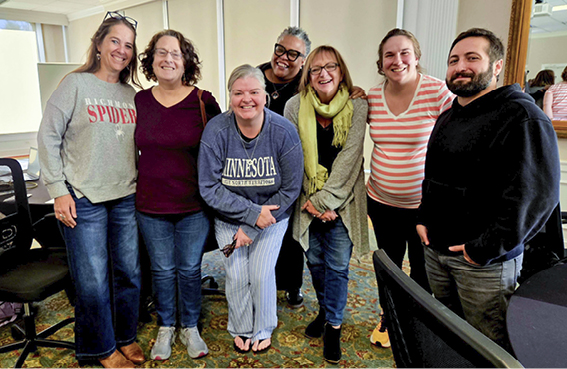
Photo: Clean Water Action organizers, including MA
Environmental Health Program Director Laura Spark
(second from left) and CT Director Christine Bartlett-Josie
(center, rear) take a break at the Safer States conference.
Safer States
Clean Water Action and Clean Water Fund’s ReThink Disposable campaign led inspiring campaigns this winter helping schools in Johnston phase out single-use disposable trays and dining ware. That means less trash and waste headed to the landfill and healthier meals for students. With legislation introduced to fight plastic pollution, Clean Water’s waste programs are organizing to get the bills passed before June, when the Rhode Island legislative session ends. Priorities include a “bottle bill” that would reduce litter and a measure to study and regulate the microplastics, the tiny plastic bits contaminating the floor of Narragansett Bay.
NEW JERSEY
Climate Superfund Act
Climate Superfund Act (CSF, S.3535) is making waves in New Jersey, garnering support both in the state legislature and on the local level. With its passage, the state will be more resilient to future climate damage by assessing top oil and gas polluters $50 billion over the next 20 years. Join Clean Water Action in the fight for the Superfund Act and make polluters pay!
Reducing Waste
With Clean Water Action’s leadership, Skip the Stuff is moving rapidly. NJ has already secured nearly 30 municipal ordinances and strong state legislative support to reduce single-use items and plastics in food service. Read about our successful Red Bank Case Study. Take Action and let State House leadership know you support Skip the Stuff! Our next big NJ effort, Extended Producer Responsibility, will be one of the strongest in the nation by requiring significantly less plastics and toxics in packaging. Stay tuned for our case study with three National Parks!
Healthy Ports
Clean Water Action co-leads the Coalition for Healthy Ports and Zero Emissions Now campaign, fighting for clean air at ports, warehouses, and places where trucks congregate. Throughout the summer, Clean Water Action organized two truck counts in Elizabeth with residents to raise awareness of diesel truck pollution and advocate for clean air policies like Indirect Source Review (ISR). ISR would require pollution reductions at warehouses, ports and other truck-attracting facilities with higher thresholds for environmental justice communities that are disproportionately burdened by diesel and other pollution harms. Help us secure clear air for all.
Beauty Justice
Clean Water Action’s NJ Beauty Justice campaign addresses how communities of color are disproportionately exposed to chemicals through personal care products. NJ has partnered with Rutger University’s Environmental and Occupational Health Sciences Institute (EOHSI) to expand our clean beauty education and research. We are hosting online and in-person events, engaging community members by making their own DIY products, an awareness Walk for Beauty Justice and Breast Cancer, and creating community while advocating for safe, clean products for all. Join our Beauty with Impact Working Group here.
Save Water, Save Lives
Our Safe Water Safe Lives campaign is designed to address water quality issues in our NJ prison system. Jersey City Council President Joyce Watterman and Ward F Councilman Frank Gilmore recently presented our Declaration of Environmental Rights for Incarcerated People. Make your voice heard as we continue to advocate for our most vulnerable allies in the fight for justice.
PENNSYLVANIA
PFAS Victory for Clean Water, Communities, and First Responders
This summer, the PA House of Representatives passed an important bill to protect the state from PFAS forever chemicals. Clean Water Action has been working with Rep. Brian Munroe, Rep. Jared Solomon and members from the International Association of Fire Fighters on getting state legislation (HB 1261) introduced to protect first responders and the environment from PFAS in firefighting foam, a major source of drinking water contamination. This important victory was even more amazing in that it passed unanimously, and PA Senate leaders have promised to take up the bill once the state budget is enacted.
Clean Philly NOW!
Clean Water Action worked with Philadelphia City Councilmember Mark Squilla to pass the BYOBag Bill No. 250773 which adds a 10 cent per bag fee on all single-use paper bags and extends the existing plastic bag ban to include thicker plastic bags. Although Philadelphia’s plastic bag ban made significant strides in reducing plastic use, paper bag use tripled. Paper bags can be recycled, but their production generates substantial pollution. This legislation is necessary to reduce the use of all carryout bags and studies have shown that fees are a disincentive that encourages shoppers to bring their own bags. Ahead of the vote, Clean Water Action’s canvass collected over 1,700 handwritten letters to Mayor Parker and City Council urging their support.
TEXAS
Water Infrastructure Priorities
Central Texas experienced the tragic Fourth of July flooding with unprecedented loss of life. Nearly no city or town went unaffected by the human losses, and we remain reverent with sorrow. Flood warning systems, relief measures, and flood resilience were each a focus of the Texas Legislature’s bumpy season with multiple special sessions convened by Governor Greg Abbott.
Voters affirmed via a statewide ballot initiative the establishment of a fund up to $1 billion per year for 20 years for water infrastructure. While this is not a perfect vehicle and will require vigilance in shaping its use on environmentally wise projects, it is a big step forward in putting resources into sorely-needed coffers for water systems across Texas. We will continue to push for water efficiency and conservation — shoring up leaky pipes, for instance — ahead of large, power-heavy desalination at industrial scales or establishment of new reservoirs, along with projects which engineer with nature to restore water balance to land and ground and to serve communities who remain historically underserved by infrastructure projects in their communities.
Notably NOT yet settled is the outcome of a national redistricting effort which would oust longtime environmental heroes such as Congressman Lloyd Doggett of Austin’s US Congressional District 37. Political history is in the making here, once again, deep in the heart!