Pittsburgh’s water system faced serious challenges just 10 years ago - from lead contamination, aging infrastructure, and stormwater flooding all of which hit Environmental Justice neighborhoods the hardest. But today, Pittsburgh Water is entering a new era of investment, accountability, community partnership, and safe drinking water. Clean Water Action has been a key part of that transformation.
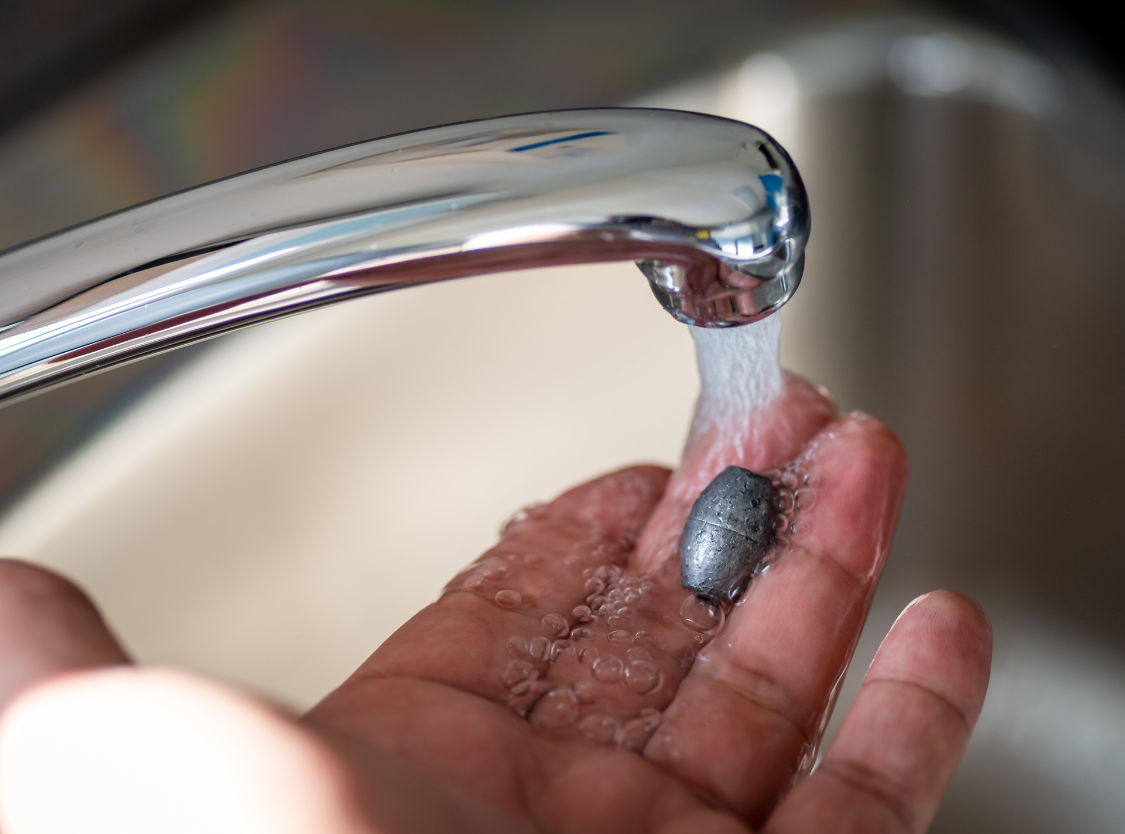
For a long time, families across Pittsburgh dealt with the impacts of an old, stressed, and in some instances a poorly run water system. Many homes in historically Black and low-income neighborhoods had lead service lines which put drinking water and the health of residents at risk. In 2012, Pittsburgh hired Veolia to run day-to-day operations of its water system. Several years later, Veolia made the decision to change to corrosion controls which caused lead service lines to leach, resulting in 17% of homes having lead in drinking water levels that were above the Environmental Protection Agency's action level of 15 parts per billion. In addition, stormwater overwhelmed streets causing flooding and basement backups in places like Homewood, the Hill District, Hazelwood, and other neighborhoods that have lived with the consequences of disinvestment. And behind the scenes, pump stations, electrical systems, and a century-old Clearwell basin all needed major modernization. These issues didn’t just threaten water quality — they undermined trust.
Clean Water Action stepped directly into the moment. Over the past several years, we have engaged deeply with the communities most affected and worked directly with Pittsburgh Water to shift priorities toward equity, transparency, and long-term solutions. We have held community education sessions that focused on these issues and ways individuals, and the community can stay safe, and demand action. We also partnered with community allies like the Allegheny County Conservation District to provide lead soil testing for people. These actions helped build pressure for a more equitable lead line replacement program that doesn’t leave any neighborhood behind and ensures complete lead line replacements to both the public and private sides.
We also helped preserve the future public control of the water system through our involvement in the Pittsburgh Water Referendum which appeared on the 2025 primary election ballot. Working with partners and voters, we supported stronger public oversight, safeguards against privatization, and a framework for long-term accountability. The referendum was overwhelmingly supported by 79% of voters and ensures that when Pittsburgh Water makes big decisions — including major investments — the public’s interests remain centered.
In addition to our efforts, we joined Pittsburgh Water for their sessions in Environmental Justice neighborhoods that deal with flooding and sewer backups. These conversations helped connect residents directly to the authority so they could better understand what was happening, why their neighbors were suffering the most, and what kinds of improvements were needed. These events, plus feedback, helped Pittsburgh Water adjust its own approach — moving from a one-size-fits-all strategy to intentionally focusing on communities experiencing the greatest harm. We are pleased to say that through our advocacy we helped push Pittsburgh Water to adopt a real Environmental Justice lens to their efforts.
All this groundwork - years of organizing and advocacy - has helped lay the foundation for the momentous announcements by Pittsburgh Water.
On October 28, 2025, Pittsburgh Water announced a major milestone, lead levels in the city’s drinking water have dropped to 2 parts per billion (ppb), the lowest ever recorded and far below the EPA’s 15 ppb action level. The Pennsylvania DEP certified the results under the updated Lead and Copper Rule, confirming that the system is now treating water effectively, an achievement built on years of corrective work after earlier failures.
Then on November 7, 2025, Pittsburgh Water announced the historic launch of the ABC Project, a massive, multi-year investment that will modernize pump stations, build a new Clearwell bypass, improve reliability for hundreds of thousands of residents, create more than 1,300 local jobs, and generate nearly $300 million in economic output. These are generational improvements that will strengthen the entire system and protect the public for decades.
Today, Pittsburgh Water isn’t just upgrading pipes and pumps. It’s upgrading its commitment to the people it serves. This is a true turning point for environmental justice in Pittsburgh.
These two wins are not accidents. They show what’s possible when residents speak up, Environmental Justice communities are prioritized, and public agencies and advocates work together toward the shared goal of safe, reliable, affordable water for everyone. And Clean Water Action’s community-driven work helped make it possible.