Indigenous Peoples’ Day, observed on Monday, October 13, honors the rich history, living cultures, resilience, and contributions of Indigenous peoples across the globe. For generations, Native nations have stewarded their lands, protected their communities, and persevered through the deep impacts of colonization and systemic injustice.
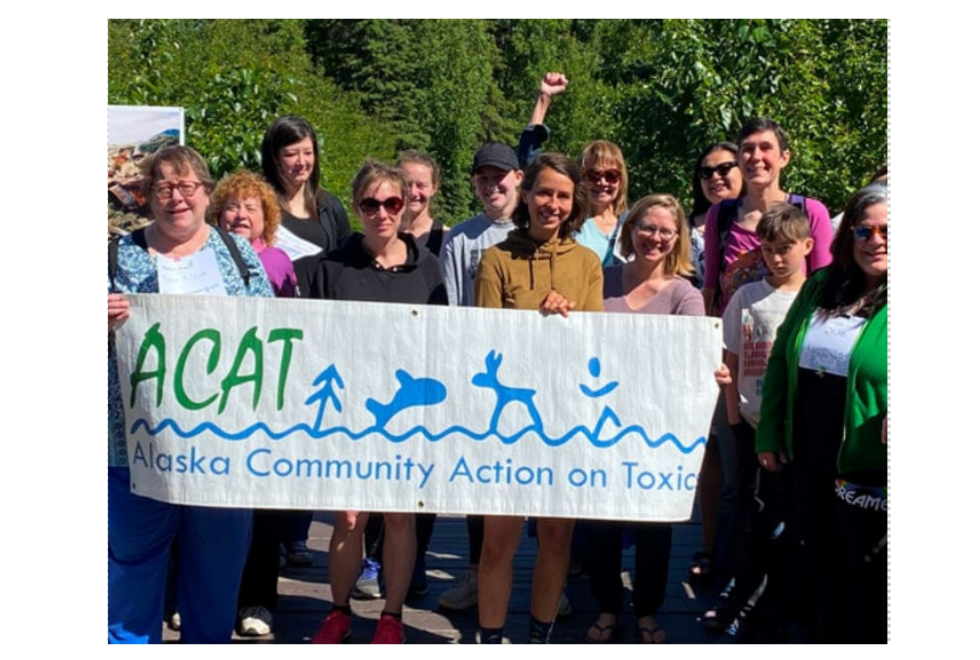
In that spirit, we are proud to spotlight the work of Alaska Community Action on Toxics (ACAT), a grassroots organization rooted in Indigenous leadership and environmental justice.
About ACAT: Fighting for Environmental Justice in Alaska
Founded in 1997 by Pamela K. Miller, ACAT was born in response to urgent concerns from Alaskan communities about the health impacts of pollution from industrial, military, and extractive activities. ACAT believes that everyone, regardless of race, income, or geography, has the right to clean air, clean water, and toxic-free food.
Through collaborative research, education, advocacy, and community organizing, ACAT empowers Alaskan communities to eliminate harmful chemical exposures and defend their health and ecosystems.
Clean Water Action is honored to collaborate with ACAT through the Safer States network, which works to prevent harm from toxic chemicals, especially in BIPOC and low-income communities who face the heaviest burden of exposure.
Legacy of Resistance: Annie’s Story
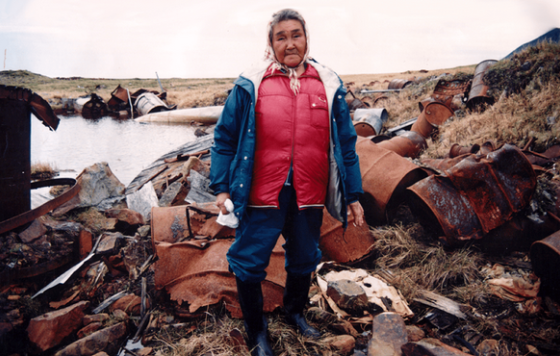
One of ACAT’s founding inspirations was Annie Alowa, a health aide from Savoonga, a Yupik village on Sivuqaq (St. Lawrence Island) in the Bering Sea.
In 1952, the U.S. Air Force built a base at Northeast Cape on the island. By the 1960s, Annie began observing troubling health issues among residents who lived, worked, and harvested traditional foods near the site, cancer, miscarriages, low birth weights, many of which had not occurred before the military’s presence.
When the base was abandoned in the early 1970s, it left behind at least 34 contaminated sites in a small, nine-square-mile area. These included:
- Over 220,000 gallons of spilled fuel
- Heavy metals, asbestos, solvents, pesticides, and PCBs (known carcinogens)
- Barrel dumps containing more than 29,500 buried drums
Annie partnered with Pam Miller to seek justice and accountability. Before she passed away from cancer in 1999, Annie called on “all people of good conscience” to continue this fight. Her legacy lives on in ACAT’s work to protect Indigenous communities from environmental harm.
Community-Led Solutions and Education
ACAT continues to lead innovative, community-based initiatives. One recent project, Protecting Our Mamaqs, is a groundbreaking environmental health toolkit designed to prevent breast cancer in the Arctic and Subarctic regions. The toolkit:
- Educates Community Health Aides and healthcare providers
- Highlights links between environmental contaminants and breast cancer
- Is available in Yugtun (Yupik), thanks to a collaboration with AK Public Interest Research Group (AKPIRG)
This work is crucial, especially given that Native Alaskan women under 40 face a 58% higher breast cancer rate compared to non-Hispanic white women in the same region.
Mapping the Threats: Toxic Sites Across Alaska
Through mapping and research, ACAT has documented over 2,000 toxic waste sites across Alaska, caused primarily by military activity and extractive industries. These sites pose ongoing threats to Indigenous health, traditional foods, and ways of life.
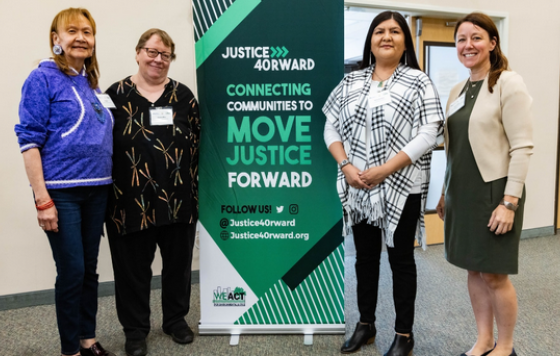
In partnership with WE ACT and Native Movement, ACAT also organized the Justice40rward Toxic Tour, a public education initiative exposing toxic sites in the Fairbanks North Star Borough, highlighting environmental injustices that persist statewide.
Honoring Indigenous Leadership and Resilience
Today, and every day, we honor the knowledge, strength, and stewardship of Indigenous peoples and nations. Their leadership is vital in the movement toward a just, healthy, and sustainable future.
We are deeply grateful to ACAT for their advocacy, research, and community action. As they continue Annie’s legacy and lead the way for Environmental Justice in Alaska, we invite you to learn more, get involved, and support their work.
Learn more and support ACAT here.
Stay tuned for a full interview feature with ACAT team members later this month!